How Florists Can Turn Damaged Flowers into Natural Dyes
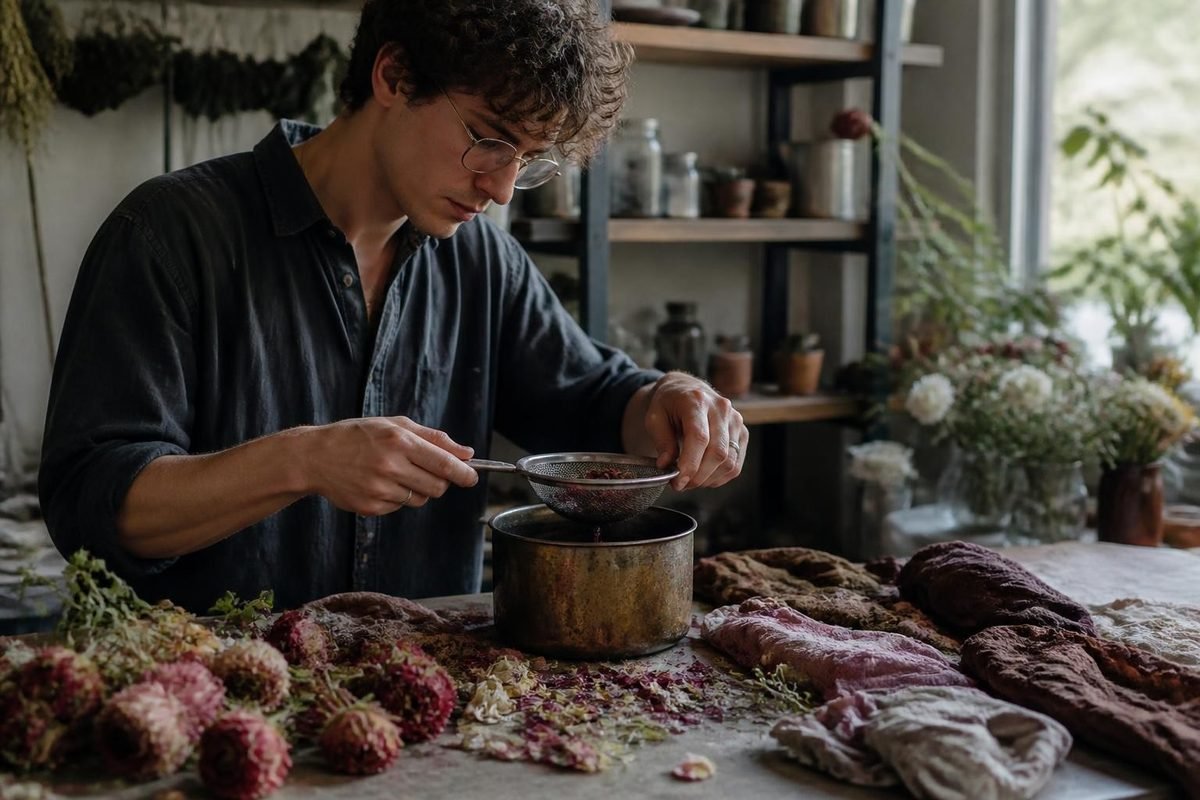
Florists can turn damaged flowers into natural dyes by simmering usable petals in water, straining the liquid, and testing it on fabric. The result depends on the flower, the fiber, and the preparation, so small batches are the best place to start.
Sort the flowers first
Set aside blooms with bruised petals, broken stems, or other damage that makes them unsuitable for an arrangement. Remove leaves and stems if you want to test the petals on their own. Keeping flower types separate makes it easier to see which ones produce a color you like.
Choose plant material that is fresh enough to handle comfortably. Discard flowers that are moldy or rotting. Avoid flowers treated with unknown pesticides or other chemicals, particularly for projects involving regular skin contact.
Petal color is a clue, not a promise. Some flower pigments dissolve into water readily, while others give a faint or short lived color. A deep red flower will not necessarily dye fabric red.
Make a small dye bath
Put the petals in a pot reserved for dyeing and add enough water to cover them. Heat gently, then simmer for about 30 minutes. Let the liquid cool and strain out the petals. A fine strainer or a piece of cloth can catch small fragments that might leave uneven marks on the fabric.
Start with a small quantity of fabric and record how much plant material and water you use. This gives you a reference if you want to repeat the process. A stronger looking liquid does not always produce a darker fabric, but adding more petals is one useful experiment.
Prepare and dye the fabric
Wash the fabric first to remove finishes and dirt that can interfere with absorption. Wool and silk often take natural dyes differently from cotton and linen, so test each fiber separately. Small scraps are useful for this stage.
Some natural dyes benefit from a mordant, a substance that helps bind color to fiber. Alum is a common choice, but the method and amount depend on the fiber. Follow a reliable recipe for the material you are using rather than adding an arbitrary amount.
Wet the fabric, place it in the strained dye bath, and heat gently. Move it occasionally for more even contact with the liquid. Let it cool in the bath, then rinse and allow it to dry. Keep food utensils and cooking pots separate from dye equipment.
Test the color before using it
Natural flower colors can change or fade with washing, light, and changes in acidity. Before using dyed fabric for ribbons, wrapping, or display pieces, test a scrap:
- Rinse it and check how much color comes out.
- Place part of it in daylight and keep part covered, then compare them.
- Note the flower, fiber, preparation, and result for future batches.
These tests turn damaged blooms into a useful source of color while showing which results are worth repeating.
Continue with remote gift ideas